Integrated Pest Management case studies

for Welsh Government

An overview to tickle your tastebuds

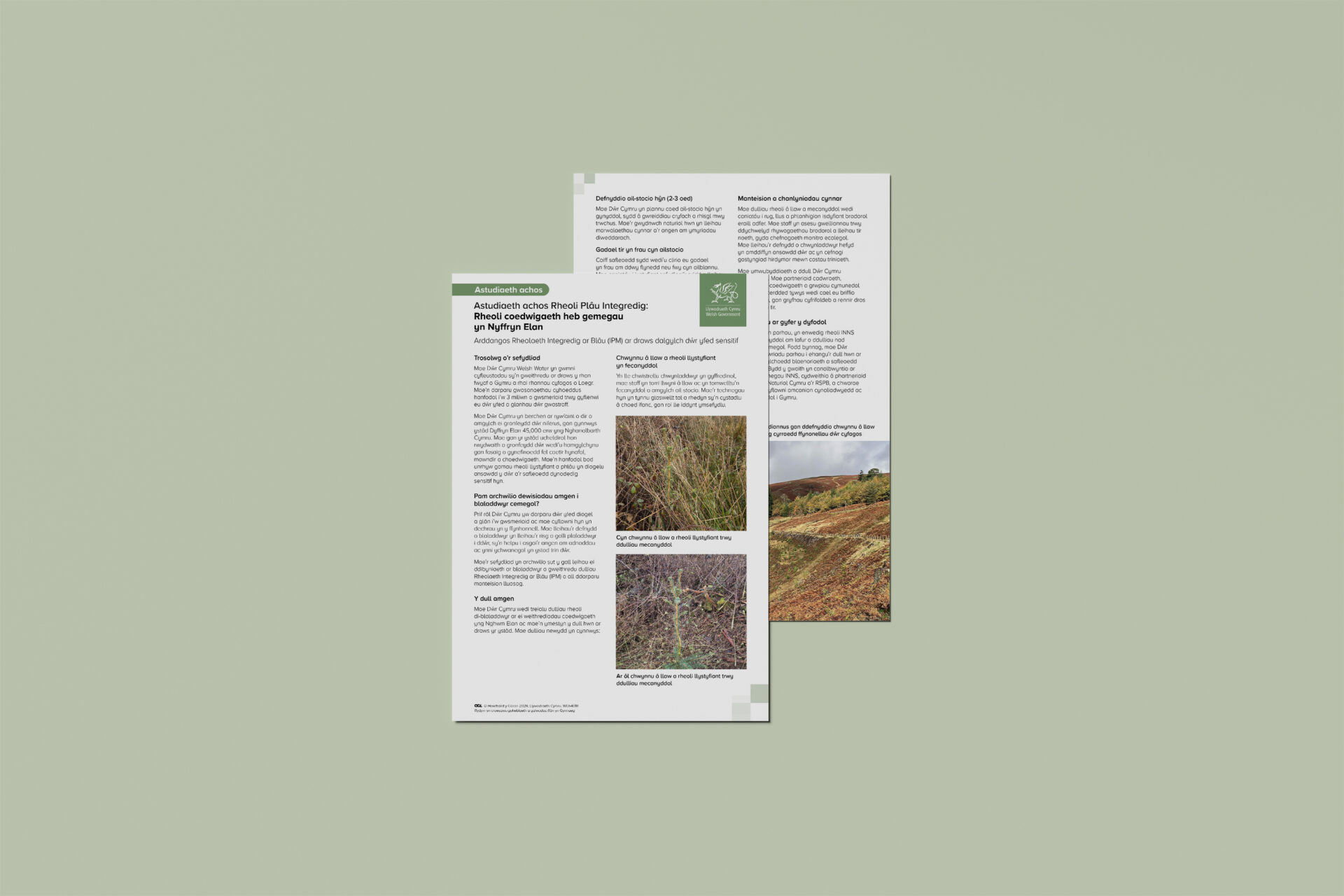
Reducing reliance on pesticides while protecting biodiversity and public spaces is a growing priority across Wales. To support this shift, Welsh Government commissioned jamjar to develop a series of case studies showcasing real-world examples of Integrated Pest Management (IPM) in action.

Working with partners including Natural Resources Wales, Dŵr Cymru Welsh Water and Bannau Brycheiniog National Park Authority, we transformed complex land-management projects into clear, engaging stories that demonstrate how alternative approaches to pesticides can deliver environmental, operational and economic benefits.

The final case studies have now been published on the Welsh Government website, helping share best practice with land managers, local authorities and organisations across Wales.
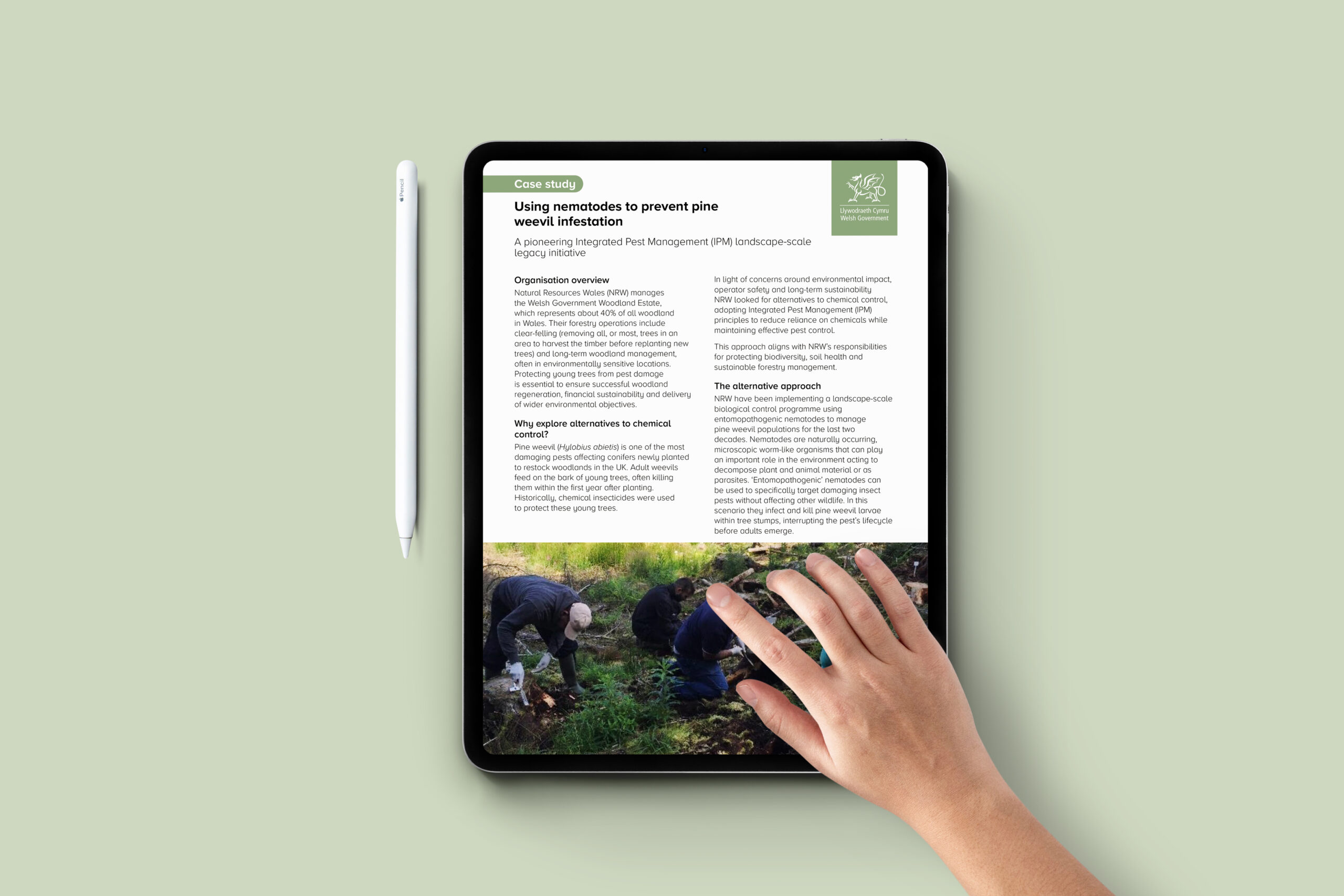
Lifting the lid on the brief

Welsh Government wanted to highlight practical examples of organisations already implementing Integrated Pest Management approaches in Wales.

The aim was to:

  • showcase innovative alternatives to pesticide use
  • demonstrate how IPM can work across different sectors and landscapes
  • encourage wider adoption of sustainable land-management practices
  • communicate technical projects in an accessible way for non-specialist audiences

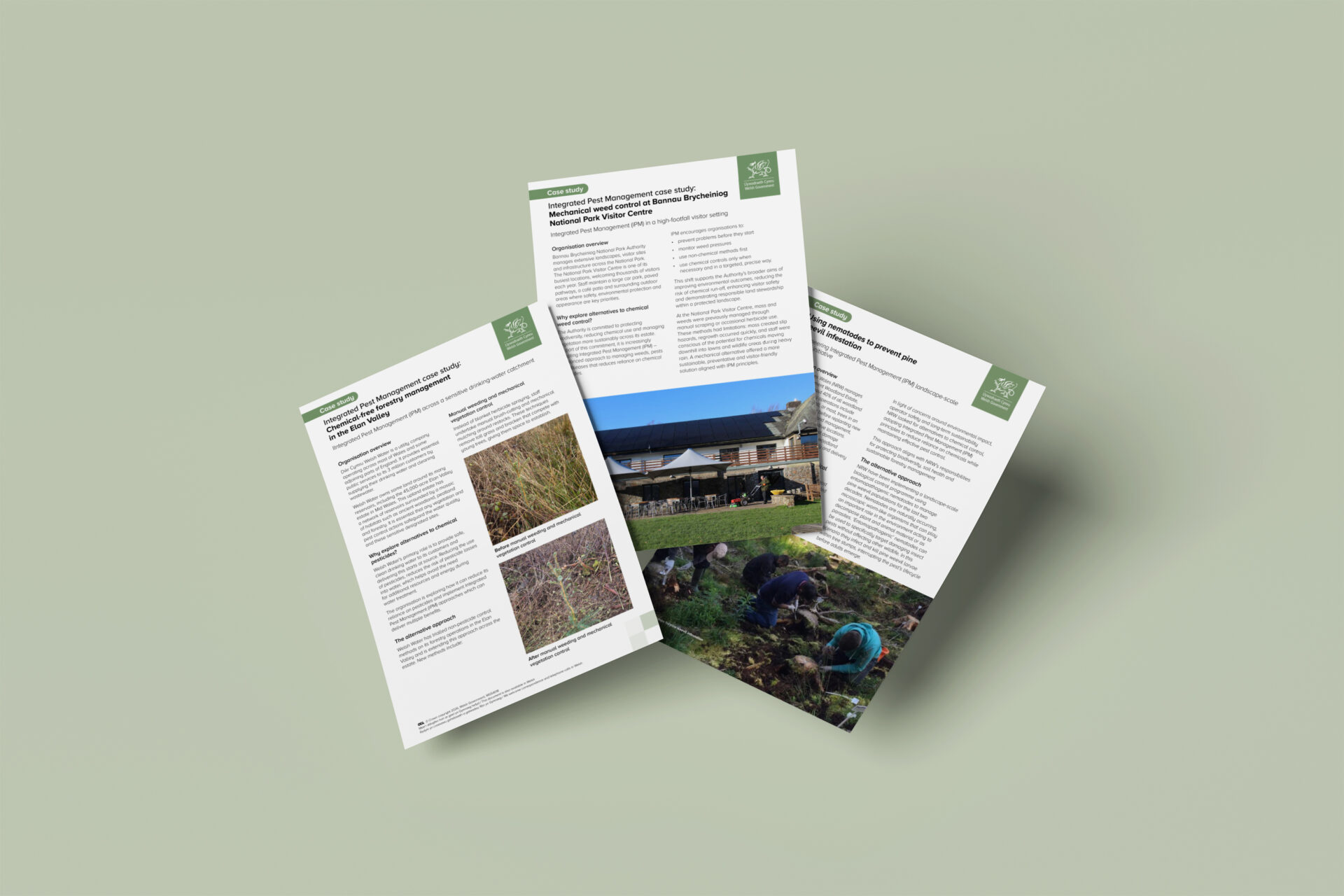
jamjar was commissioned to research, interview and write three case studies covering:

  • Biological pest control in forestry – using nematodes to manage pine weevil populations
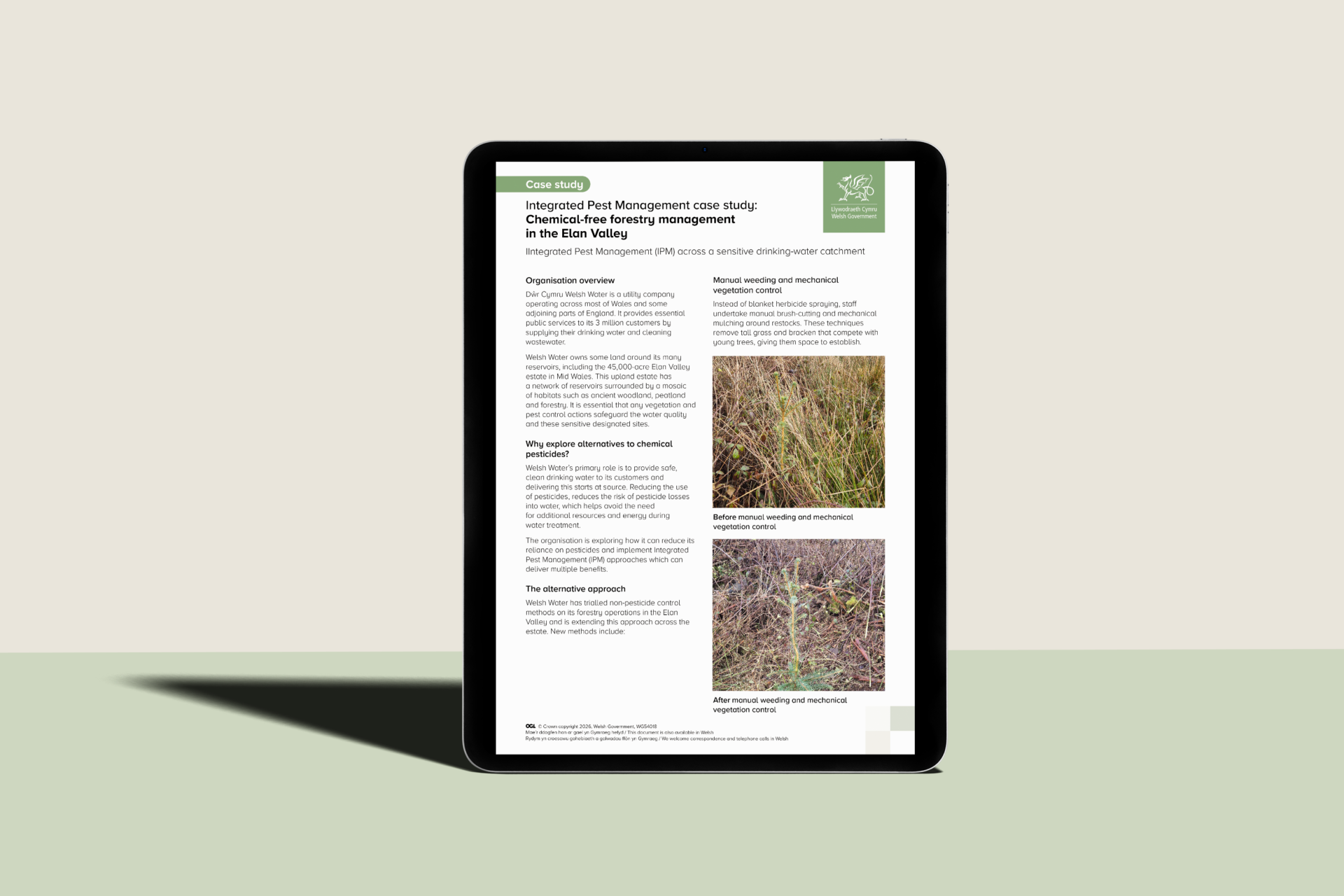
  • Chemical-free forestry management – Dŵr Cymru Welsh Water’s sustainable approach in the Elan Valley
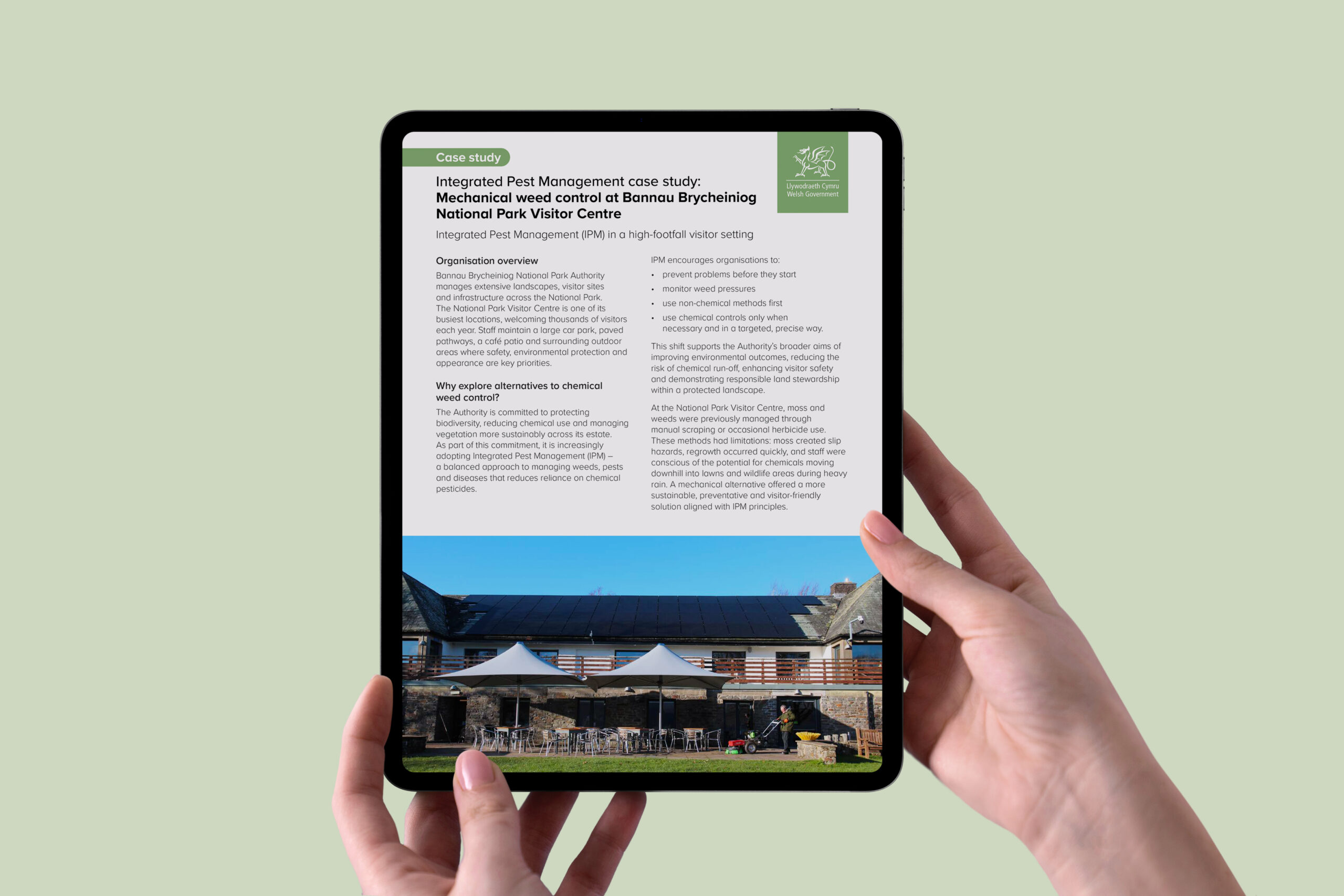
  • Mechanical weed control in public spaces – Bannau Brycheiniog National Park Visitor Centre

Each case study needed to clearly explain the challenge, the alternative approach and the results, while ensuring the content was accurate, accessible and suitable for publication by Welsh Government.

Our recipe for success

We worked closely with Welsh Government and project leads to translate highly technical land-management practices into compelling, easy-to-understand case studies.

Our approach included:

Research and stakeholder engagement:
We conducted interviews with forestry specialists, estate managers and environmental practitioners to understand the practical realities behind each project.

Simplifying complex information:
IPM approaches can involve scientific concepts, specialist equipment and long-term environmental monitoring. We distilled this information into clear narratives that retained technical credibility while remaining accessible to wider audiences.

Story-driven case study development:
Each case study was structured to highlight the problem, the innovative solution and the benefits achieved. This storytelling approach ensured the projects could inspire others considering similar approaches.

Collaborative review process:
We worked closely with Welsh Government and project stakeholders to refine drafts, ensure technical accuracy and incorporate feedback from multiple organisations.

Proof is in the pudding

The completed case studies demonstrate how IPM approaches are already delivering positive outcomes across Wales, from forestry and water catchments to visitor attractions.

They showcase:

  • biological pest control protecting thousands of hectares of woodland
  • chemical-free forestry management improving biodiversity and water quality
  • mechanical weed control reducing herbicide use in public visitor spaces

The case studies have now been published on the Welsh Government website, helping share best practice and support wider adoption of Integrated Pest Management approaches across Wales.

As the client commented:

I wanted to thank you for your work in producing the three case studies, which brilliantly showcase the significant progress made in adopting IPM approaches across Wales.

For jamjar, the project demonstrates how thoughtful storytelling and clear communication can turn complex environmental initiatives into powerful tools for knowledge sharing and behaviour change.